Buscar este blog

domingo, 20 de diciembre de 2009

Clinical Decision-Making and Off-Label Use of Antipsychotics

Clinical Decision-Making and Off-Label Use of Antipsychotics

Off-label prescription is a right of the individual practitioner, a phenomenon that is widespread in medicine and is necessary to allow us to care for patients to the best of our ability. With that right, however, comes the responsibility to do so with care and a thorough understanding of what evidence is available to guide our clinical choices.
Off-label use of medication is endemic in some clinical populations. For example, few drugs have undergone the testing required to secure a specific pediatric indication, forcing clinicians to make off-label choices to treat many conditions in young patients. In other cases, the absence of any specific medication approved for a given illness compels us to use existing drugs in innovative ways or apply them to conditions for which they may not originally have been intended. In this case, the greatest injustice to our patients is not that the drugs are used off-label but that potentially beneficial uses have been allowed to go unstudied. Clinical demands have outstripped empiric data. Off-label use is an indicator of our need to pursue more thorough, credible, externally validated research to help clinicians make better choices.
In this article, we will comment briefly on the evidence base surrounding off-label use of antipsychotic medications and review the rationale and process for responsible off label prescription.

Establishing a Rationale for Use

Whenever possible, treatment should begin with on-label uses for medication. For example, currently the US Food and Drug Administration (FDA) has approved only the following for pediatric use:
  • Risperidone and aripiprazole for youths with schizophrenia, age 13 years and older;
  • Risperidone and aripiprazole for bipolar I disorder, mania or mixed episodes, in youths age 10 years and older; and
  • Risperidone for irritability associated with autistic disorder in youths age 5-16 years.
When an on-label option is nonexistent or inadequate, the logical next step is to seek a strong evidence base to support an off-label treatment decision. Large, double-blind, placebo-controlled randomized trials are the "gold standard" and are preferred over smaller and less rigorous studies.

Autism and Other Pervasive Development Disorders

Autism spectrum disorders are a good example of this logic path. Risperidone received approval specifically for irritability associated with autism spectrum disorders (ASDs) in children and adolescents age 5-16 years. (There is no indication for any pharmacologic treatment to address the core social functioning symptoms of ASD.) Randomized controlled trials (RCTs) have reported positive outcomes with risperidone in mitigating maladaptive behaviors in children and adolescents with ASDs. In several RCTs, short-term risperidone treatment improved the restricted, repetitive, and stereotyped behavior of ASDs, a benefit maintained with long-term (up to 6 months) treatment. For example, McCracken and colleagues[1] compared risperidone with placebo in 101 children with autism accompanied by tantrums, aggression, or self-injurious behavior and found that 69% of patients in the risperidone group showed a significant (25% or more) improvement in irritability, the primary outcome measure, compared with 14% of patients taking placebo. Shea and colleagues[2] found that risperidone significantly reduced irritability in patients with pervasive development disorders compared with placebo in a study with 79 patients.
Extrapolating from this evidence base, researchers have evaluated risperidone as a treatment strategy for agitation, anxiety, and other symptoms in adults with ASDs, and have evaluated other antipsychotics as potential treatments for aggression in pediatric populations with disruptive and aggressive behavior not complicated by comorbid conditions other than ADHD.
Experience with other atypical antipsychotics in the treatment of symptoms related to ASDs is mostly preliminary. An 8-week randomized, double-blind, placebo-controlled trial showed improvement on the Clinical Global Improvement – Impressions scale among 11 children with autism, Asperger's disorder, or pervasive developmental disorder treated with olanzapine.[3] Data for aripiprazole include a recent randomized, double-blind, placebo-controlled trial with 218 children and adolescents age 6-17 years with a diagnosis of autistic disorder and aggressive or irritable behaviors. The 4-arm study compared placebo and 3 dosages of aripiprazole (5, 10, and 15 mg/d); at 8 weeks, all 3 medication doses showed a significant improvement in caregiver-rated irritability.[4] Open-label studies and case series have investigated quetiapine and ziprasidone as well for aggression and irritability associated with ASD. A few studies have considered the same clinical premise in adults with ASD. McDougle and colleagues[5] conducted a randomized, double-blind, placebo-controlled trial of risperidone in 31 adults with autistic disorder or pervasive developmental disorder not otherwise specified. In the 12-week study, 57% of patients in the risperidone group were categorized as responders, with reductions in repetitive behavior, anxiety, and other symptoms. No placebo recipients were categorized as responders. No changes in social behavior or language were recorded.[5]
When lack of approved treatments forces clinicians to extrapolate, it makes sense to follow the literature base, looking for population studies whenever possible.

Considering Disease Classification and Therapeutic Effect

Clinicians must exercise care in applying the evidence surrounding treatment for one psychiatric condition to another, even within the same group of disorders. For example, evidence of treatment efficacy across anxiety disorders varies widely.

Generalized Anxiety Disorder

The FDA did not approve an indication for generalized anxiety disorder (GAD) for quetiapine (or any other antipsychotic drug) because of concerns about safety in that patient population. The largest study with quetiapine, a multisite, double-blind RCT of placebo and paroxetine with 873 patients, found similar rates of remission for both a higher dose of quetiapine (150 mg/day vs 50 mg/day) and paroxetine compared with placebo, as well as evidence of earlier treatment response.[6] Most studies in GAD have been smaller open-label trials or case series, however. Pollack and colleagues[7] noted that augmentation with olanzapine was more likely than placebo to reduce symptoms of GAD in patients who did not have remission with fluoxetine alone. However, the authors cautioned that the risk for weight gain and other side effects must be carefully considered against any potential benefit -- a warning that is relevant to all circumstances in which antipsychotics might be used.[7]

Posttraumatic Stress Disorder

Most studies related to posttraumatic stress disorder (PTSD) are small. In 19 patients with combat-related PTSD who did not respond to treatment with selective serotonin reuptake inhibitors (SSRIs), a double-blinded, placebo-controlled trial with olanzapine found statistically significant improvement in individual symptoms, such as sleep and anxiety, but not in overall clinician-rated global response rates.[8] Risperidone augmentation also improved symptoms of PTSD compared with placebo in 73 veterans treated in a residential facility for 5 weeks followed by 11 weeks of outpatient therapy.[9] However, the effectiveness of antipsychotic drugs in PTSD has been neither convincingly nor consistently demonstrated.

Obsessive-Compulsive Disorder

Obsessive-compulsive disorder (OCD) is considered an anxiety disorder, and in its most severe forms, it may approximate delusions -- a symptom for which antipsychotics have demonstrated efficacy. Experience was mixed with risperidone in the treatment of OCD in 2 double-blind, placebo-controlled trials.[10,11] Li and colleagues[11] reported significant reductions in Yale-Brown Obsessive Compulsive Scale (YBOCS) obsession scores with risperidone in 12 SSRI-refractory patients, although a reduction in total YBOCS score did not reach statistical significance. In contrast, haloperidol significantly reduced both scores. Erzegovesi and coworkers[10] found that risperidone augmentation in 39 patients significantly improved OCD in fluvoxamine-resistant patients but not in fluvoxamine responders.[10] Both risperidone and olanzapine add-on therapy equally improved symptoms of OCD in a 16-week, single-blind study of 96 SSRI-resistant patients. In a double-blind placebo RCT, McDougle and colleagues[13] treated 70 patients with a primary diagnosis of OCD with an SSRI for 12 weeks. The 36 patients who were nonresponders were then randomly assigned to receive augmentation with risperidone or placebo. Half of the patients in the risperidone group responded with a reduction in the YBOCS score; no patients assigned to placebo responded. Response rates did not differ among patients with and without comorbid tic disorder or schizotypal personality disorder.[13]
In considering possible off-label therapy, it is important to review all relevant trials, including those with negative or inconclusive results. In a study of 46 patients with OCD who did not respond to 12 weeks of SSRI monotherapy and 1 year of cognitive-behavioral therapy, researchers found that augmentation with olanzapine, quetiapine, or risperidone did not reduce symptoms in the resistant population to the levels achieved with SSRI monotherapy in initial responders. The authors concluded that the modest gains did not support long-term use of atypical antipsychotics in the face of side effect considerations.[14]

Mechanism of Action

A guiding principle in selecting treatment is to consider the cause of the condition vs the mechanism of action of the potential therapeutic agent.

Tics and Tourette's Syndrome

Dopamine receptor blockade is the rationale for the use of antipsychotic drugs in psychosis. It is also the rationale for use of antipsychotics in the treatment of Tourette's syndrome. RCTs have found similar benefit for risperidone compared with pimozide,[15,16] and preliminary, retrospective, and open-label studies of both aripiprazole and olanzapine significantly reduced motor and vocal tics and improved behavioral symptoms such as aggression and explosive outbursts in children and adolescents.[17-19]

Substance Abuse

The established influence of the dopaminergic system in substance cravings and reinforcement suggests a possible role for atypical antipsychotic agents. However, their role has been substantiated only for the treatment of drug-induced psychosis,[20] and results have been resoundingly modest in controlling substance dependence. Martinotti and colleagues[21] reported that whereas aripiprazole prolonged abstinence longer than did naltrexone in a study with 75 detoxified alcohol-dependent patients, craving scores improved more with naltrexone. In a double-blind, triple crossover study of no medication, 2.5 mg of aripiprazole, or 10 mg of aripiprazole in 18 patients, active treatment significantly increased the sedative effects and reduced the euphoric effects of alcohol in a dose-dependent fashion.[22] In several small-scale reviews, quetiapine also prolonged the duration of abstinence from alcohol in recovering adults, including those with psychiatric comorbid conditions.[23,24] Results have been less positive with the use of atypical antipsychotics in other forms of substance dependence, including stimulants, cocaine, and nicotine.

Making Decisions When Evidence Is Lacking

Instances in which the need to treat exceeds the evidence base is where we find the art, as opposed to the science, of medicine. Borderline personality disorder is one example: An insufficient amount of research on pharmacotherapy for the condition has been done; the best treatment available currently is dialectical behavioral therapy.[25] Clinicians are in the position of needing to do something for severely ill patients but having very little to guide them. In such cases, fairly consistent evidence of at least a modest effect on symptoms may motivate some clinicians to choose an off-label therapy.

Borderline Personality Disorder

Olanzapine significantly improved outcome measures in several RCTs, with separation from placebo occurring as early as 4 weeks.[26] Olanzapine proved superior to fluoxetine in improving general symptoms of borderline personality disorder and superior to fluoxetine plus olanzapine in control of depressive symptoms, specifically.[27] When combined with dialectical behavior therapy, it significantly decreased most symptoms measured compared with placebo, including irritability, depression, and aggression as well as self-inflicted injury.[25,28] One study, however, found no difference between olanzapine and placebo on the Zanarini Rating Scale for Borderline Personality Disorder.[29]
A randomized, double-blind, placebo-controlled trial of aripiprazole in 52 patients revealed significant improvement in most measures of borderline personality disorder when administered both as monotherapy[30,31] and as add-on to sertraline.[32] According to Nickel and coworkers, however, self-injury continued during treatment.[30] Quetiapine and risperidone also have been studied in open-label trials.

Anorexia

The dire need for treatment also is well-illustrated with anorexia. It is among the most lethal of psychiatric conditions, and in advanced stages eating disorder researchers report marked disturbances in thinking and emotional regulation. Some clinicians have reasoned that in those cases it may make sense to take what is otherwise an adverse effect -- the propensity of some second-generation drugs to cause weight gain -- and use it as a treatment strategy. It would not be a long-term strategy, but this is another example of using inductive logic to find a treatment solution.
Most of the research has been done with olanzapine in adolescents and adults, with some small studies or case reviews for quetiapine. The limited literature shows largely positive results, including significant increases in body mass index and improvement in total eating disorder inventory scores.[33] Mondraty and colleagues[34] specifically noted a significant reduction in intrusive anorectic ruminations among 8 patients treated with olanzapine but not in 7 treated with chlorpromazine. Similarly, Bissada and colleagues[35] reported a significant reduction in obsessive symptoms of anorexia nervosa, as well as an increase in weight and earlier achievement of target body mass index, among olanzapine-treated women compared with placebo.

Guiding Principles

The simple lack of an indication doesn't mean a medication couldn't or shouldn't work; indications reflect the drug development and FDA regulatory and review and approval process and the way drugs are marketed. Use of an antipsychotic for a nonapproved indication needs to be based on a clear, logical, and compelling line of reasoning. The first step is looking at the literature, ideally to find controlled trials that consistently support this use, as opposed to less rigorous studies or simply occasional evidence in its favor.
If a strong research case doesn't exist for or against the off-label use, the clinician must then consider the pharmacology, pathophysiology, and target symptoms, and the literature base supporting or countering the medication selection for each. Second-line literature might include open-label or retrospective studies or case series that might shed some light on how the drug will perform for the patient's given set of circumstances, but these articles are far less reliable than a controlled trial. The side effect profiles of antipsychotics are a serious consideration in any decision to use them for treatment, on- or off-label, and must be weighed against any potential benefits.
Evidence for potential effectiveness also must be weighed against the particular patient's characteristics. Drugs that are effective in adults may not work in children or adolescents, and in general the side effect risks are greater in youths. Young patients also aren't a single category: There is a substantial difference between an adolescent and an adult, and an even greater one between a patient who is 8 and one who is 14.
In summary, doctors cannot be absolutely limited by the definitive existing scientific knowledge base in medicine. The ability to use medications off-label is a clinician's right and responsibility in the course of providing the best possible care for his or her patients. However, the decision to do so must be a deliberate, thoughtful, and justifiable one, and it is never a cavalier choice. Consistent adherence to the literature and to logic is the best strategy for finding effective treatment and keeping patients from unnecessary risk.
This activity is supported by an independent educational grant from Bristol-Myers Squibb.

References

  1. McCracken JT, McGough J, Shah B, et al. Research Units on Pediatric Psychopharmacology Autism Network. Risperidone in children with autism and serious behavioral problems. N Engl J Med. 2002;347:314-321. Abstract
  2. Shea S, Turgay A, Carroll A, et al. Risperidone in the treatment of disruptive behavioral symptoms in children with autistic and other pervasive developmental disorders. Pediatrics. 2004;114:E634-E641. Abstract
  3. Hollander E, Wasserman S, Swanson EN, et al. A double-blind placebo-controlled pilot study of olanzapine in childhood/adolescent pervasive developmental disorder. J Child Adolesc Psychopharmacol. 2006;16:542-548.
  4. Marcus RN, Owen R, Kamen L, et al. A placebo-controlled, fixed-dose study of aripiprazole in children and adolescents with irritability associated with autistic disorder. J Am Acad Child Adolesc Psychiatry. 2009;48:1110-1119. Abstract
  5. McDougle CJ, Holmes JP, Carlson DC et al. A double-blind, placebo-controlled study of risperidone in adults with autistic disorder and other pervasive developmental disorders. Arch Gen Psych. 1998;55;7:633-641.
  6. Bandelow B, Chouinard G, Bobes J, et al. Extended-release quetiapine fumarate (quetiapine XR): a once-daily monotherapy effective in generalized anxiety disorder. Data from a randomized, double-blind, placebo- and active-controlled study. Int J Neuropsychopharmacol. 2009:1-167.
  7. Pollack MH, Simon NM, Zalta AK, et al. Olazapine augmentation of fluoxetine for refractory generalized anxiety disorder: a placebo-controlled study. Biol Psychiatry. 2006;59:211-215. Abstract
  8. Stein MB, Kline NA, Matloff JL. Adjunctive olanzapine for SSRe-resistant combat-related PTSD: a double-blind, placebo-controlled study. Am J Psychiatry. 2002;159:1777-1779. Abstract
  9. Bartzokis G, Lu PH, Turner J, et al. Adjunctive risperidone in the treatment of chronic combat-related posttraumatic stress disorder. Biol Psychiatry. 2005;57:474-479. Abstract
  10. Erzegovesi S, Guglielmo E, Siliprandi F, Bellodi L. Low-dose risperidone augmentation of fluvoxamine treatment in obsessive-compulsive disorder: a double-blind, placebo-controlled study. Eur Neuropsychopharmacol. 2005;15:69-74. Abstract
  11. Li X, May RS, Tolbert LC, Jackson WT, Flournoy JM, Baxter LR. Risperidone and haloperidol augmentation of serotonin reuptake inhibitors in refractory obsessive-compulsive disorder: a crossover study. J Clin Psychiatry. 2005;66:736-743. Abstract
  12. Maina G, Pessina E, Albert U, Bogetto F. 8-week, single-blind, randomized trial comparing risperidone versus olanzapine augmentation of serotonin reuptake inhibitors in treatment-resistant obsessive-compulsive disorder. Eur Neuropsychopharmacol. 2008;18:364-372. Abstract
  13. McDougle CJ, Epperson CN, Pelton GH, Wasylink S, Price LH. A double-blind, placebo-controlled study of risperidone addition in serotonin reuptake inhibitor-refractory obsessive-compulsive disorder. Arch Gen Psychiatry. 2000;57:794-801. Abstract
  14. Matsunaga H, Nagata T, Hayashida K, et al. A long-term trial of the effectiveness and safety of atypical antipsychotic agents in augmenting SSRI-refractory obsessive-compulsive disorder. J Clin Psychiatry. 2009;70:863-868. Abstract
  15. Gilbert DL, Batterson JR, Sethuraman G, Sallee FR. Tic reduction with risperidone versus pimozide in a randomized, double-blind, crossover trial. J Am Acad Child Adolesc Psychiatry. 2004;43:206-214. Abstract
  16. Bruggeman R, van der Linden C, Buitelaar JK, et al. Risperidone versus pimozide in Tourette's disorder: a comparative double-blind parallel-group study. J Clin Psychiatry. 2001;62:50-56.
  17. Stephens RJ, Bassel C, Sandor P. Olanzapine in the treatment of aggression and tics in children with Tourette's syndrome -- a pilot study. J Child Adolesc Psychopharmacol. 2004;14:255-266. Abstract
  18. Budman C, Coffey BJ, Shechter R, et al. Aripiprazole in children and adolescents with Tourette disorder with and without explosive outbursts. J Child Adolesc Psychopharmacol. 2008;18:509-515. Abstract
  19. Seo WS, Sung HM, Sea HS, Bai DS. Aripiprazole treatment of children and adolescents with Tourette disorder ro chronic tic disorder. J Child Adolesc Psychopharmacol. 2008;18:197-205. Abstract
  20. Friedman JH, Factor SA. Atypical antipsychotics in the treatment of drug-induced psychosis in Parkinson's disease. Mov Disord. 2000;15:201-211. Abstract
  21. Martinotti G, Di Nicola M, Di Giannantonio M, Janiri L. Aripiprazole in the treatment of patients with alcohol dependence: a double-blind, comparison trial vs. naltrexone. J Psychopharmacol. 2009;23:123-129. Abstract
  22. Kranzler HR, Covault J, Pierucci-Lagha A, Chan G, et al. Effects of aripiprazole on subjective and physiological responses to alcohol. Alcohol Clin Exp Res. 2008;32:573-579. Abstract
  23. Monnelly EP, Ciraulo DA, Knapp C, LoCastro J, Sepulveda I. Quetiapine for treatment of alcohol dependence. J Clin Psychopharmacol. 2004;24:532-535. Abstract
  24. Martinotti G, Andreoli S, Di Nicola M, et al. Quetiapine decreases alcohol consumption, craving, and psychiatric symptoms in dually diagnosed alcoholics. Hum Psychopharmacol. 2008;23:417-424. Abstract
  25. Linehan MM, McDavid JD, Brown MZ, et al. Olanzapine plus dialectical behavior therapy for women with high irritability who meet criteria for borderline personality disorder: a double-blind, placebo-controlled pilot study. J Clin Psychiatry. 2008;69:999-1005. Abstract
  26. Bogenschutz MP, Nurnberg GH. Olanzapine versus placebo in the treatment of borderline personality disorder. J Clin Psychiatry. 2004;65:104-109. Abstract
  27. Zanarini MC, Frankenburg FR, Parachini EA. A preliminary randomized trial of fluoxetine, olanzapine, and the olanzapine-fluoxetine combination in women with borderline personality disorder. J Clin Psychiatry. 2004;65:903-907. Abstract
  28. Soler J, Pascual JC, Campins J, Barrachina J, et al. Double-blind, placebo-controlled study of dialectical behavior therapy plus olanzapine for borderline personality disorder. Am J Psychiatry. 2005;162:1221-1224. Abstract
  29. Schulz SC, Zanarini MC, Bateman A, et al. Olanzapine for the treatment of borderline personality disorder: variable dose 12-week randomized double-blind placebo-controlled study. Br J Psychiatry. 2008;193:485-492. Abstract
  30. Nickel MK, Muyehlbacher M, Nickel C, et al. Aripiprazole in the treatment of patients with borderline personality disorder: a double-blind, placebo-controlled study. Am J Psychiatry. 2006;163:833-838. Abstract
  31. Nickel MK, Loew TH, Pedrosa GF. Aripiprazole in treatment of borderline patients, part II: an 18-month follow-up. Psychopharmacology (Berl). 2007;191:1023-1026. Abstract
  32. Bellino S, Paradiso E, Bogetto F. Efficacy and tolerability of aripirazole augmentation in sertraline-resistant patients with borderline personality disorder. Psychiatry Res. 2008;161:206-212. Abstract
  33. Brambilla F, Garcia CS, Fassino S, et al. Olanzapine therapy in anorexia nervosa: psychobiological effects. Int ClinPsychopharmacol. 2007:197-204.
  34. Mondraty N, Birmingham CL, Touyz S, et al. Randomized controlled trial of olanzapine in the treatment of cognitions in anorexia nervosa. Randomzied controlled trial of olanzapine in the treatment of cognitions in anorexia nervosa. Australas Psychiatry. 2005;13:72-75. Abstract
  35. Bissada H, Tasca GA, Barber AM, Bradwejn J. Olanzapine in the treatment of low body weight and obsessive thinking in women with anorexia nervosa: a randomized, double-blind, placebo-controlled trial. Am J Psychiatry. 2008;165:1227-1228. Abstract
As an organization accredited by the ACCME, Medscape, LLC requires everyone who is in a position to control the content of an education activity to disclose all relevant financial relationships with any commercial interest. The ACCME defines "relevant financial relationships" as financial relationships in any amount, occurring within the past 12 months, including financial relationships of a spouse or life partner, that could create a conflict of interest.
Medscape, LLC encourages Authors to identify investigational products or off-label uses of products regulated by the US Food and Drug Administration, at first mention and where appropriate in the content.

Author(s)

Jeffrey A Lieberman, MD

Robert L. Findling, MD

Professor of Psychiatry and Pediatrics, Department of Psychiatry, Case Western Reserve University, Cleveland, Ohio; Director, Child and Adolescent Psychiatry, University Hospitals Case Medical Center, Cleveland, Ohio
Disclosure: Robert L. Findling, MD, has disclosed the following relevant financial relationships:
Received grants for clinical research from: Abbott Laboratories; Addrenex; AstraZeneca Pharmaceuticals LP; Bristol-Myers Squibb Company; Forest Laboratories Inc; GlaxoSmithKline; Johnson & Johnson Pharmaceutical Research & Development, L.L.C; Eli Lilly and Company; Neuropharm; Otsuka Pharmaceuticals Co. Ltd; Pfizer Inc; Shire; Supernus Pharmaceuticals; Wyeth Pharmaceuticals Inc.
Served as an advisor or consultant for: Abbott Laboratories; Addrenex; AstraZeneca Pharmaceuticals LP; Biovail Corporation; Bristol-Myers Squibb Company; Forest Laboratories, Inc; GlaxoSmithKline; Johnson & Johnson Pharmaceutical Research & Development, L.L.C.; KemPharm; Eli Lilly and Company; Lundbeck Research USA, Inc; Novartis Pharmaceuticals Corporation; Organon Pharmaceuticals USA Inc; Otsuka Pharmaceutical Co., Ltd.; Pfizer Inc.; sanofi-aventis; Sepracor Inc.; Shire; Solvay Pharmaceuticals, Inc.; Supernus Pharmaceuticals; Validus; Wyeth Pharmaceuticals Inc.
Served on the speakers bureau for: Bristol-Myers Squibb Company; Johnson & Johnson Pharmaceutical Research & Development, L.L.C.; Shire

Writer(s)

Maxine Losseff, BSc

medical writer, New York, NY
Disclosure: Maxine Losseff, BSc, has disclosed no relevant financial relationships

Editor(s)

Jane Lowers

Scientific Director, MedscapeCME
Disclosure: Jane Lowers has disclosed no relevant financial relationships.

CME Reviewer

Laurie E. Scudder, MS, NP

Accreditation Coordinator, Continuing Professional Education Department, MedscapeCME; Clinical Assistant Professor, School of Nursing and Allied Health, George Washington University, Washington, DC; Nurse Practitioner, School-Based Health Centers, Baltimore City Public Schools, Baltimore, Maryland
Disclosure: Laurie E. Scudder, MS, NP, has disclosed no relevant financial relationships.

CME Information

CME Released: 11/30/2009; Valid for credit through 11/30/2010

Target Audience

This activity is intended for psychiatrists and primary care clinicians who treat psychiatric conditions.

Goal

The goal of this activity is to describe recent research in antipsychotics and provide clinical context for how it could be applied.

Learning Objectives

Upon completion of this activity, participants will be able to:
  1. Review new and emerging evidence regarding the utility of atypical antipsychotics in major psychiatric illnesses such as schizophrenia, bipolar disorder, and major depression
  2. Identify the role of new atypical antipsychotic treatment data in addressing existing therapeutic gaps in the management of psychiatric illness

Credits Available

Physicians - maximum of 1.00 AMA PRA Category 1 Credit(s)™
All other healthcare professionals completing continuing education credit for this activity will be issued a certificate of participation.
Physicians should only claim credit commensurate with the extent of their participation in the activity.

Accreditation Statements

For Physicians

Medscape, LLC is accredited by the Accreditation Council for Continuing Medical Education (ACCME) to provide continuing medical education for physicians.
Medscape, LLC designates this educational activity for a maximum of 1.0 AMA PRA Category 1 Credit(s)™ . Physicians should only claim credit commensurate with the extent of their participation in the activity.
Medscape, LLC staff have disclosed that they have no relevant financial relationships.
Contact This Provider
For questions regarding the content of this activity, contact the accredited provider for this CME/CE activity noted above. For technical assistance, contact CME@medscape.net

Instructions for Participation and Credit

There are no fees for participating in or receiving credit for this online educational activity. For information on applicability and acceptance of continuing education credit for this activity, please consult your professional licensing board.
This activity is designed to be completed within the time designated on the title page; physicians should claim only those credits that reflect the time actually spent in the activity. To successfully earn credit, participants must complete the activity online during the valid credit period that is noted on the title page.
Follow these steps to earn CME/CE credit*:
  1. Read the target audience, learning objectives, and author disclosures.
  2. Study the educational content online or printed out.
  3. Online, choose the best answer to each test question. To receive a certificate, you must receive a passing score as designated at the top of the test. MedscapeCME encourages you to complete the Activity Evaluation to provide feedback for future programming.
You may now view or print the certificate from your CME/CE Tracker. You may print the certificate but you cannot alter it. Credits will be tallied in your CME/CE Tracker and archived for 6 years; at any point within this time period you can print out the tally as well as the certificates by accessing "Edit Your Profile" at the top of your Medscape homepage.
*The credit that you receive is based on your user profile.

Hardware/Software Requirements

MedscapeCME is accessible using the following browsers: Internet Explorer 6.x or higher, Firefox 2.x or higher, Safari 2.x or higher. Certain educational activities may require additional software to view multimedia, presentation or printable versions of their content. These activities will be marked as such and will provide links to the required software. That software may be: Macromedia Flash, Adobe Acrobat, or Microsoft PowerPoint.
Follow us on Twitter »

Sent via Readability: Clinical Decision-Making and Off-Label Use of Antipsychotics

This page was sent to you by: martinezroig@gmail.com

Just click this link: Clinical Decision-Making and Off-Label Use of Antipsychotics


Sent from Readability | An Arc90 lab experiment

martes, 15 de diciembre de 2009

ANTIPSICOTICOS

Recent Research in Antipsychotic Therapy: "Meta-analysis of Head-to-Head Antipsychotic Trials

Leucht S, Komossa K, Rummel-Kluge C, et al. A meta-analysis of head-to-head comparisons of second-generation antipsychotics in the treatment of schizophrenia. Am J Psychiatry. 2009;166:152-163
Summary

In this meta-analysis, the authors reviewed 293 published trials encompassing 13,558 subjects in which second-generation antipsychotics (SGAs) were directly compared. Among the studies, 48 included olanzapine, 44 included risperidone, 28 included clozapine, and 21 included quetiapine, whereas amisulpride, aripiprazole, ziprasidone, and others were each included in 9 or fewer trials. The primary outcome measure was the change in Positive and Negative Syndrome Scale (PANSS) total score.

Statistically significant findings included greater efficacy of risperidone or olanzapine compared with either ziprasidone or quetiapine. Olanzapine also had greater efficacy when compared with aripiprazole or risperidone but was not significantly different from risperidone in treating positive symptoms. There was no statistically significant difference between amisulpride and either olanzapine, risperidone, or ziprasidone. The authors also examined findings on the PANSS positive and negative subscales. Based on 2 studies, clozapine was more efficacious for negative symptoms compared with quetiapine. As a measure of effectiveness, the researchers compared dropout rates. Significant findings included a lower dropout rate for olanzapine than for risperidone, quetiapine, or ziprasidone; based on 8 studies, clozapine had a lower dropout rate than risperidone.

In a subanalysis of 4 trials in which clozapine was prescribed at 400 mg or more daily in comparison with other SGAs, clozapine was statistically superior to risperidone but not to olanzapine. Similar studies for the remaining SGAs are not available.

The researchers separately analyzed 5 studies of first-episode patients, and they found no differences among the SGAs in patient outcomes. A funnel plot for the entire series of studies failed to detect publication bias.
Comment

This meta-analysis, funded by the National Institute for Mental Health and the German government, shows what we know and do not know about the differential efficacy of antipsychotics. The greater effectiveness of olanzapine for treating symptoms of schizophrenia, first suggested by the Clinical Antipsychotic Trials in Intervention Effectiveness (CATIE) trial, is further evident. Amisulpride and clozapine showed equal efficacy to olanzapine. Although considered the best choice for treatment-resistant patients, double-masked evidence for greater efficacy of clozapine compared with other SGAs is slim, although clozapine performed well in Cost Utility of the Latest Antipsychotic Drugs in Schizophrenia Study (CuTLASS) and phase II of CATIE, which were not represented in this analysis.

Of all possible double-masked comparison studies among SGAs, many have not been done. Given the wide gaps in evidence, the investigators discussed the important role of both cost and adverse effects in making treatment decisions."

ANTIPSICOTICOS

Conference Report From the 2009 American Psychiatric Association Annual Meeting: "A Real-World Comparison of Second-Generation Antipsychotics

Johnsen E, Kroken RA, Wentzel-Larsen T, Jorgensen HA. A practical, randomized comparison of the effectiveness of risperidone, olanzapine, quetiapine, and ziprasidone. Proceedings and abstracts of the 162nd Annual Meeting of the American Psychiatric Association; May 16-21, 2009; San Francisco, California. New research poster NR6-048.
Summary

The goal of this Norwegian trial, which received no industry funding, was to compare 4 leading second-generation antipsychotics for tolerability and symptom reduction in a naturalistic setting. The inclusion criteria for patients, who were admitted to a university hospital, included presence of psychosis and age of at least 18 years. Of the 213 subjects, 68% were male, 42% had a diagnosis of schizophrenia-spectrum illness, and the remainder had drug-induced or another psychotic illness.

Investigators randomly assigned patients to receive olanzapine, quetiapine, risperidone, or ziprasidone with flexible dosing. Switching medication was permitted. Treating physicians and patients were aware of the assigned medication, but raters were masked. Baseline ratings included PANSS, Calgary Depression Scale for Schizophrenia, Clinical Global Impression (CGI) scale, Global Assessment of Functioning (GAF), and side effect scales; periodic ratings took place for as long as 2 years. Investigators also monitored weight, and glucose and lipid levels.

Mean daily doses were 14.3 mg for olanzapine, 357 mg for quetiapine, 3.3 mg for risperidone, and 101 mg for ziprasidone. Time to discontinuation of allocated medication did not differ among the 4 treatments. Symptom relief as determined by reduction in PANSS total and positive scores was significantly greater in patients treated with quetiapine than in those treated with risperidone or olanzapine (P < .05). PANSS positive score was reduced significantly more in patients treated with ziprasidone than in those treated with risperidone (P = .026). Improvements in CGI and GAF scores tended to follow the same trends. Compared with other medications, olanzapine caused greater mean increase in hip circumference, and risperidone was more likely to cause galactorrhea.
Comment

This study did not single out any 1 psychotic disorder and was not double-blinded; each medication group contained only about 50 patients. These could be interpreted as major design liabilities. Nonetheless, the investigators succeeded in a naturalistic study with a good duration of follow-up. The findings are at odds with a recent meta-analysis of second-generation antipsychotic comparisons, which found olanzapine more efficacious than quetiapine and risperidone.[2] The second-generation antipsychotic doses were modest in this study, perhaps attributable to the fact that 44% of patients were naive to antipsychotics."

PALIPERIDONA

Conference Report From the 2009 American Psychiatric Association Annual Meeting: "A placebo-controlled Trial of Paliperidone palmitate for Acute Schizophrenia

Pandina GJ, Lindenmayer J, Lull J, et al. A randomized, double-blind, placebo-controlled, dose-response efficacy and safety study of paliperidone palmitate in adults with schizophrenia. 162nd Annual Meeting of the American Psychiatric Association; May 16-21, 2009; San Francisco, California. New research poster NR1-073.
Summary

Only 1 second-generation antipsychotic, risperidone, is available in a long-acting depot formulation. A related drug, paliperidone, is undergoing phase 3 clinical trials as a depot medication. In this multicenter, placebo-controlled, double-masked study funded by the manufacturer, 652 patients were randomly assigned in equal numbers to 4 conditions: 25 mg, 100 mg, or 150 mg of monthly paliperidone palmitate (PP) injections; or monthly placebo injections. In all 3 active treatment conditions, a loading dose of 150 mg PP was given 7 days before the first assigned dose injection. All subjects were at least 18 years old and had an acute exacerbation of schizophrenia with a minimum PANSS score of 60. The primary outcome measure was change in PANSS score.

The trial completion rate for 3 monthly doses was 52% to 55% in the active treatment groups compared with 43% in the placebo group. In an intent-to-treat analysis, the mean reduction in PANSS score was significantly greater by week 13 in PP-treated patients compared with the placebo group for all 3 doses (P < .034). Response rates correlated positively with PP dose; effect sizes were 0.26 for 25 mg, 0.47 for 100 mg, and 0.55 for 150 mg. The most common adverse effects were injection site pain and dizziness. Dose-related increases in weight and serum prolactin occurred in the PP-treated group; 13% of patients on 150 mg PP gained > 7% of baseline weight compared with 5% of patients on placebo.
Comment

Paliperidone, which is 9-hydroxyrisperidone, would likely be easy to use in a depot palmitate formulation. Unlike risperidone microspheres, which require refrigeration, PP is stable at room temperature. Risperidone microspheres must be injected with a large-bore needle every 2 weeks, and a 3-week delay in clinical effect complicates dosing. In this trial, PP was administered in the deltoid muscle with a loading dose followed by a dose in 1 week and then every 4 weeks. The medication, however, is not yet approved for clinical use, and further phase 3 trials are underway."

Efectos secundarios Antipsicoticos

Side Effects of Antipsychotic Medications: Understanding the Variables: "Side Effects of Antipsychotic Medications: Understanding the Variables

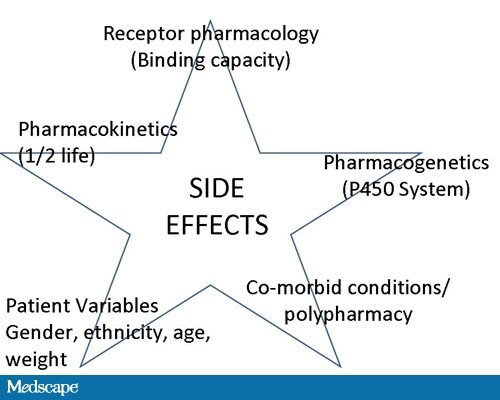
Antipsychotics are associated with an assortment of side effects, many of which can seriously affect a patient's physical health and quality of life. Side effects occur because neurotransmitters are affected by drugs, drug half-life, P450 liver enzyme system metabolism, and percentage of the drug bound to a given receptor. By understanding these concepts, clinicians can better understand why and how side effects occur, and also predict to some degree in which patients side effects will occur. The more factors involved in a given patient, the more likelihood side effects will occur. It is important to appreciate that while not all side effects are serious, some can be fatal (Figure 1).

Neurotransmitter Involvement in Side Effects

The tranquilizing effects of antipsychotic agents were originally discovered in the late 1940s when potent antihistamines were developed to alleviate postoperative shock. The initial antipsychotic effect was thought to be attributed to antihistaminic qualities. However, the high doses of chlorpromazine initially used to prevent postoperative shock caused numerous severe and sometimes permanently disabling multisystem side effects when used repeatedly.[1] Patients given doses in the range of 2000 mg daily started experiencing severe endocrine and neuromuscular side effects similar to those of Parkinson's disease as well as acute and tardive dystonic reactions and emotional flattening. The discovery in the 1960s of L-dopa, used to treat the dopamine deficits of Parkinson's disease, led to the serendipitous understanding of the relationships between dopamine blockade and the creation of antipsychotic effects, and provided the first window into understanding side effects. As a deductive conclusion, the role of dopamine excess as etiologic in psychosis symptoms led to an explosion of available phenothiazine-related antipsychotic drugs over the next 30 years. These original phenothiazine-type drugs are referred to as typical or first-generation antipsychotics. Drugs in this category typically have side effects related to excessive blocking of 1 or more of the 4 major dopamine tracts in the brain, resulting in primarily neuromuscular and neuroendocrine side effects (Table 1). Eventually 2 major dopamine subsystems were identified: D1 and D2. The D2 system is the primary system involved in treating psychosis."

In 1961, clozapine was developed as 1 of nearly 2000 tricyclic compounds. It was tested in 1966 in patients with schizophrenia and was noted to have good antipsychotic effects and an absence of the typical tardive dyskinesia and Parkinsonian-like side effects of the phenothiazine-type drugs. It was thus referred to as an "atypical" antipsychotic. Clozapine was originally known to affect the levels of multiple neurotransmitters including epinephrine, norepinephrine, acetylcholine, and histamine, with a minimal effect on the nigrostriatal dopamine tracts.[1] Clozapine was pulled from the market briefly because of several deaths resulting from agranulocytosis, but it was released again to be used when all other treatments had failed and with the caveat that patients have a complete white blood cell count drawn monthly while taking the medication.
In the late 1950s, the development and study of lysergic acid led to the suggestion that serotonin had a role in psychosis. After it was discovered that clozapine had a significant serotonin blocking action (antagonism) and much less blocking of dopamine, federal and industry research into brain function and pharmacologic therapies exploded. By 2000, the list of approved atypical or second-generation antipsychotics, also referred to as serotonin/dopamine antagonists (blockers), grew to include risperidone, olanzapine, quetiapine, and ziprasidone. Their effects on multiple neurotransmitters, however, produced a distinct set of side effects, including weight gain, diabetes mellitus, dyslipidemias, and sexual dysfunction. In 2002, the first antipsychotic to not fully block dopamine, aripiprazole, was approved by the US Food and Drug Administration. In addition to selective antagonism of various neurotransmitters, it has a partial agonist effect on dopamine 2 receptors. In May 2009, iloperidone, with a pharmacologic profile similar to that of risperidone, was approved.
Because each atypical antipsychotic exerts various antagonist or reuptake blocking actions on multiple neurotransmitters, an understanding of the functions of the major neurotransmitters is helpful in teaching patients about both the desired therapeutic and side effect potentials of a given drug (Table 2).

Currently Available Antipsychotic Drugs

A complete listing of currently available antipsychotic medications is found in Table 3. As a class, these drugs are effective in helping manage the many troublesome symptoms of psychosis, yet there is a great variation in the response and side effect profile that individual patients experience. Additionally, with the exception of indications for the use of risperidone and aripiprazole, this category of drugs is not yet approved for children and adolescents by the US Food and Drug Administration. There is also a black box warning for the entire category of drugs for use in the elderly.
Table 3. Antipsychotic Medications
First-Generation Medications (listed alphabetically by brand name)
Brand Name Generic Name Daily
Dosage Range
(mg)
Subgroup Peak (hr) Half-life
(hr)
Compazine® Prochlorperazine 15-20 Piperazine 1-3 6-8
Haldol® Haloperidol 2-100 Butyrophenone 1-3 12-38

Loxapine 20-400 Dibenzoxazepine 1½-3 4
Mellaril® Thioridazine 30-800 Piperidine 1-4 7-13
Moban® Molindone 15-400 Dihydroindolone ½-1 2
Navane® Thiothixene 6-60 Thioxanthene 1-3 10-20
Prolixin® Fluphenazine 1-20 Piperazine 1-3 15-30
Serentil® Mesoridazine 100-400 Piperidine 1-3 24-48
Stelazine® Trifluoperazine 2-20 Piperazine 2-4 10-20
Thorazine® Chlorpromazine 30-1200 Aliphatic 2-4 16-30
Trilafon® Perphenazine 6-64 Piperazine 2-4 8-20
Second-Generation Medications (listed chronologically, oral forms only)
Clozaril® Clozapine 250-600 Dibenzodiazepine 2.5 4-66
Risperdal® RisperidonePaliperidone 1-16 3-9 BenzisoxazoleActive metabolite of risperidone 3-1724 3-2023
Zyprexa® Olanzapine 5-20 Thienobenzodiazepine 6 21-54
Seroquel® Quetiapine 150-800 Dibenzothiazepine 2 6-7
Geodon® Ziprasidone 80-160 Benzisothiazole 3 4-6
Abilify® Aripiprazole 2.5-30 Dichlorophenylpiperazinyl 3-5 75
Fanapt™ Iloperidone 12-24 Benzisoxazole Rapid 14
Adapted from: Moller M. Psychopharmacology. In: Mohr W, ed. Psychiatric-Mental Health Nursing: Evidenced Based Concepts, Skills, and Practices. 7th ed. Philadelphia: Wolters Kluwer, Lippincott Williams & Wilkins; 2009:Chapter 16

What Are Antipsychotic Medication Side Effects?

Side effects are problems that occur when treatment goes beyond the desired effect, such as the patient sleeping for 24 hours when only mild sedation is desired, or problems that occur in addition to the desired therapeutic effect such as blocking dopamine transmission to stabilize acute psychosis that culminates in creating a Parkinsonian-type tremor.
Unfortunately, antipsychotic medications are not site-specific like an antibiotic developed to combat a specific bacterium. Because of the miniscule size and nature of the structure of the neuron and the fact that neural networks are multifunctional, each neurotransmission can affect many different neurons in a process referred to as a "chemical puff".[2] The resulting effect is a "dusting" and thereby unintentional interruption of normal functioning of adjacent neurons, creating side effects. To further complicate the situation, there is a reciprocal relationship between dopamine and acetylcholine in the sympathetic and parasympathetic (cholinergic) nervous systems. When dopamine is blocked, acetylcholine levels increase and cause very uncomfortable potentially widespread parasympathetic side effects such as dry mouth, blurred vision, constipation, urinary retention, tachycardia, mydriasis, and even paralytic ileus.
Additionally, there is an inverse relationship in the sympathetic (adrenergic) nervous system between dopamine and serotonin. If dopamine is blocked, serotonin increases, resulting in both therapeutic effects and side effects. Increasing serotonin can block dopamine in selected brain regions -- again with both therapeutic and side effects. Some antipsychotic medications block serotonin in certain brain regions with the net result of increasing dopamine where there are few dopamine transporter neurons. The net result of these actions on dopamine and serotonin, however, is to decrease psychosis. This is a very delicate balancing act, one that is often difficult to predict.
The prescriber and the patient have to discuss the risk/benefit ratio of therapeutic and side effect consequences and arrive at a mutual decision. The possibility of the occurrence of widespread effects on multiple body systems must be discussed with patients (Table 4). The following side effects must be reported immediately: shuffling walk; stiffness of arms and/or legs; twitching or jerky movements especially of the head, face, mouth, or neck; restlessness or inability to sit still; trembling and/or shaking of hands and fingers; difficulty swallowing; vision problems; muscle spasms; lack of coordination; weakness; difficulty urinating; menstrual changes; rash, fever, yellow skin, sore throat, or hives; unusual bleeding or bruising; face or mouth movements that occur after a few months; drooling; and involuntary movements of the tongue. There are, however, distinct differences between the individual drugs ( Table 5 ). The Glasgow antipsychotic side effect scale is a useful tool for helping patients track their symptoms over time.[3]
Table 4. Possible Systemic Side Effects of Antipsychotic Medications
I. Neurologic: This refers primarily to effects of drugs on the motor aspects of central (brain) and peripheral (nerves coming off the spinal cord) nervous systems and includes the following extrapyramidal side effects
   A. Dystonias: Severe muscle spasms that can be life-threatening if not treated immediately
      1. Torticollis: Severe twisting of the neck and back
      2. Opisthotonus: Severe arching of the back
      3. Oculogyric crisis: Severe rolling back of the eyes into the head
      4. Laryngospasms: Spasms of the throat in which breathing and swallowing become severely impaired and emergency tracheotomy may be required
      5. Spasms of the face, lips and tongue, making it very difficult to talk, chew, and eat
   B. Dyskinesias: Abnormal muscle movements, not as severe as spasms
      1. Facial tics and twitches
      2. Chewing movements
      3. Lip smacking
      4. Blinking
      5. Aimless movements of tongue
      6. Shoulder shrugging
      7. Pedaling movements of legs
      8. Flailing arms
   C. Tardive dyskinesia: Late onset (after a minimum of 3 months in adults and 1 month in the elderly) of dyskinesias. Tardive dyskinesia can become permanent and must be treated at the first symptom
   D. Akathisia: Psychomotor restlessness, less intense than dystonias or dyskinesias
      1. Intolerance of inactivity
      2. Continuous agitation and restlessness
      3. Pacing
      4. Constant leg and finger movements
      5. Rocking and shifting of weight while standing
      6. Shifting of legs and tapping of feet while sitting
   E. Pseudoparkinsonism: Muscle movements that mimic Parkinson's disease
      1. Stiffness and slowness of voluntary movement
      2. Masklike immobility of facial muscles
      3. Stooped posture
      4. Slow, monotonous speech
      5. Shuffling gate that speeds up on its own
      6. Immobility
II. Central nervous system -- effects on alertness
   A. Sedation
   B. Psychomotor retardation
   C. Lowered seizure threshold
   D. Drug-induced depression
III. Autonomic nervous system
   A. Anticholinergic (parasympathetic nervous system)
      1. Dry mouth
      2. Blurred vision
      3. Constipation
      4. Urinary retention
      5. Tachycardia (heart beats more than 80 beats per minute)
      6. Mydriasis (pupils dilate)
      7. Paralytic ileus (bloating due to absence of movement in the small bowel)
      8. Urinary hesitancy (difficulty starting the stream of urine)
      9. Dental cavities
   B. Alpha-adrenergic blocking
      1. Postural hypotension
      2. Inhibition of ejaculation
      3. Diarrhea
      4. Miosis
      5. Rhinitis
      6. Bradycardia
      7. Drooling
IV. Cardiovascular
   A. Lengthening of the Q-R interval that could lead to Torsades de Point
V. Hematopoietic
   A. Leukopenia
   B. Agranulocytosis
VI. Dermatologic/ophthalmologic
   A. Generalized skin rash
   B. Photosensitivity
   C. Oculocutaneous pigmentation -- a purple or gray color to the skin. May also occur on the cornea and lens of the eye
   D. Retinal pigmentation
VII. Liver and allergic responses
Generalized symptoms of virus infections, such as weakness and abdominal pain, followed by itching and yellowing of the skin about 4 weeks after starting the medication
VIII. Endocrine system
   A. Weight gain
   B. Females: breast engorgement with milk production. Amenorrhea may occur
   C. Males: enlarged breasts
   D. Decreased libido
   E. Hyper/hypothermia
   F. Malignant hyperthermia
IX. Metabolic
   A. Lipid abnormalities
   B. Glucose dysregulation
Adapted from: Moller M. Psychopharmacology. In: Mohr W, ed. Psychiatric-Mental Health Nursing: Evidenced Based Concepts, Skills, and Practices. 7th ed. Philadelphia: Wolters Kluwer, Lippincott Williams & Wilkins; 2009.

The Role of Receptor Binding in Antipsychotic Side Effects

Because major neurotransmitter systems parallel each other in the same circuits, histamine, acetylcholine, alpha- and beta-adrenergic, and muscarinic receptors are also often recipients of unwanted blockade and side effects are created (Table 6). Side effects occur based on the specific receptors affected by the various drugs. However, the degree of blockade (receptor occupancy) and length of time a drug is on the receptor are what actually determine the degree of the side effect. There is also a close correlation to the half-life of a drug and the length of drug occupancy on a given receptor.[4] The level of receptor occupancy is called Ki binding. The closer the Ki is to 1, the higher the affinity of the drug for a given receptor (Table 7). For example, a patient on haloperidol with a Dopamine 2 receptor Ki value of 0.7 would be much more likely to experience extrapyramidal side effects than a patient on quetiapine that has a 160 Ki value. In looking at weight gain, it is predictable that olanzapine will have the highest likelihood because of a muscarinic Ki value of 2 when compared to > 1000 for both aripiprazole and ziprasidone and > 10,000 for risperidone. It is important to realize that tremendous variations can occur in individual patients.

The Role of the P450 System in Antipsychotic Medication Side Effects

The general rule is that any person can experience any side effect at any time from any medication, but the likelihood varies tremendously. Patients who have no general health problems, are not overweight, eat a healthy diet, get plenty of exercise, and are not elderly face fewer risks. The fewer medications a person takes, the lower the likelihood of side effects. The level of liver metabolic enzymes plays a strong part in this aspect of evaluating the potential for side effects.
Most medications require metabolism by specific liver enzymes, referred to as the cytochrome P450 enzyme system. If a patient takes several drugs and drug A blocks a given liver enzyme system and drug B requires that enzyme for metabolism, then drug B will continue to exert its effect, sometimes for days. Conversely, if drug A induces a given liver enzyme system and drug B requires that enzyme for metabolism the effect of drug B will be greatly diminished. More than 90% of human drug oxidation is controlled by 6 CYP isoenzymes: 1A2, 2C9, 2C19, 2D6, 2E1, and 3A4. The 2D6 system metabolizes at least 30% of common medications including selective serotonin reuptake inhibitors, pain relievers, beta-blockers, and many of the antipsychotic drugs. However, the 3A4 system metabolizes at least 50% of all other common medications including antihistamines, antibiotics, lipid lower medications, protease inhibitors, antifungals, and antipsychotics. The 3A4 also often serves as the second isoenzyme system or "safety net" involved in drug metabolism. Except for trazodone, the following psychotropics are metabolized by another isoenzyme in addition to CYP3A4:
  • Antidepressants: imipramine, paroxetine, sertraline;
  • Antipsychotics: aripiprazole, clozapine, haloperidol, iloperidone, olanzapine, pimozide, risperidone; and
  • Benzodiazepines: most except for lorazepam, oxazepam, and temazepam.
Many antidepressants and antipsychotic medications are metabolized by either CYP2C19 or CYP2D6. This often results in clinically significant drug-drug interactions when treating an individual (eg, psychotic depression) with both an antidepressant and an antipsychotic. Likewise, concerns about toxicity arise when co-prescribing both a tricyclic antidepressant and a selective serotonin reuptake inhibitor (an accepted practice for treatment-resistant depression). Table 8 depicts the metabolic pathways for the atypical antipsychotics. Most antipsychotics actually inhibit their own metabolism, which also makes it difficult to predict response and the actual number of milligrams a given patient will require. The identification of cruciferous vegetables, arial hydrocarbons, caffeine, and St. John's Wort as enzyme inducers and grapefruit juice as an enzyme inhibitor adds to the complexity of both patient assessment and education related to watching for side effects created by foods, smoke, caffeine, and herbal supplements.

Variations in Metabolism

CYP2C19 and CYP2D6 are bimodally distributed in the population allowing classification of individuals as either extensive or poor metabolizers. This is referred to as genetic polymorphism. Tremendous research is going on to develop quick office-based tests to determine who may be at risk for these significant metabolic variations.[5,6] Adverse effects and/or toxicity from high levels of unmetabolized drugs are more likely to develop in poor metabolizers. Approximately 7% of whites and upward of 33% of Asians and African Americans are poor metabolizers.[7] Extensive metabolizers are more likely to be nonresponders at the usual therapeutic dose range. It is now possible through genotyping to predict up to 90% of individuals who will be poor metabolizers for CYP2C19 and CYP2D6.

Summary

The purpose of this article was to acquaint and alert the clinician to the complexities and often-subtle nuances behind drug side effects. The prevention and early detection of antipsychotic side effects requires both art and science. The art of predicting, detecting, and managing side effects includes a thorough assessment of lifestyle including the use of alcohol and smoking, dietary and beverage choices, use of herbal supplements, and exercise and sleep patterns. The science of predicting, detecting, and managing side effects requires knowledge of the pharmacokinetic and pharmacologic action of prescribed drugs in combination with a thorough understanding of comorbid medical conditions and the medications used to treat them. Clinicians are encouraged to consult with a pharmacist whenever a question of a potential drug-drug, drug-disease, and/or drug-diet interaction is suspected. By using the charts and tables in this article, clinicians will be better informed to educate the patient in a variety of interventions that will diminish the potential for medication side effects, promote better pharmacologic efficacy from prescribed medications, and improve the overall quality of life.

Table 1. Dopamine Receptor Families
D1 family
   D1: substantia nigra, striatum, basal ganglia, nucleus accumbens, olfactory, amygdala
   D5: hippocampus, hypothalamus
D2 family
   D2 subtype: striatum, nucleus accumbens, substantia nigra, olfactory bulb
   D3: tuberoinfundibular-hypothalamus, nucleus accumbens, olfactory bulb
   D4: frontal cortex, midbrain, medulla
Major dopamine tracts in the brain
   1. Mesolimbic: originates in the ventral tegmental area of the brainstem and extends to the nucleus accumbens and limbic system, thalamus, brainstem, and reticular-activating system
      a. Influences control of autonomic and endocrine functions
      b. Influences perception, thinking, emotion
      c. Neurotransmitters involved
         i. Agonistic: dopamine, norepinephrine, acetylcholine
         ii. Antagonistic: serotonin, GABA
      d. Antagonism has antipsychotic effects
   2. Mesocortical: also projects from the ventral tegmental area and sends axons to prefrontal cortex and involves the corpus and ventral striatums
      a. Receives stimuli from the external environment (what can be evoked as memory and what can be discarded)
      b. Codes incoming information for distribution and intensity
      c. Sends and receives information from memory storage areas in temporal and frontal lobes
      d. Influences interpretation of incoming information by coding it for storage
      e. Antagonism has antipsychotic effects.
   3. Nigrostriatal: originates in the substantia nigra area of brainstem and involves both upper and lower motor neurons and corpus striatum including the extrapyramidal nervous system
      a. Modulates and coordinates motor outflow to skeletal muscles
      b. Controls "associated" movements (ie, movements encoded in memory)
      c. Neurotransmitters involved
         i. Agonist: acetylcholine
         ii. Antagonist: dopamine
      d. Antagonism creates potentially serious side effects, including parkinsonism
   4. Tuberoinfundibular: originates in the hypothalamus
      a. Inhibits the release of prolactin and melanocyte-stimulating hormone from the pituitary gland
      b. Stimulates vagus nerve
      c. Antagonism creates potentially serious side effects such as prolactin elevation
GABA = gamma aminobutyric acid
Sources: Kandel ER, Schwartz JH, Jessell T M. Principles of Neural Science.4th ed. New York: McGraw-Hill; 2000
Stahl S. Stahl's Essential Psychopharmacology: Neuroscientific Basis and Practical Applications. New York: Cambridge University Press; 2008
Table 2. Selected Neurotransmitters
Neurotransmitter Physiologic Action Effect of Excess Effect of Deficit
Dopamine
(catecholamine)
-Precursor is the amino acid tyrosine
-Four major tracts in the brain: mesocortical, mesolimbic, nigrostriatal, tuberoinfundibular
-Two major receptor groups: D1-D5 and D2, 3, 4
• Thinking
• Decision-making
• Respond with reward-seeking behaviors; ie, the "gusto" neurotransmitter
• Fine muscle movements
• Integration of thoughts and emotions
• Stimulates the hypothalamus to release hormones affecting thyroid, adrenal, and sex hormones
Mild: • Helps with creativity
• Assist with problem-solving
• Able to generalize situations
• Good spatial ability Severe: • Disorganized thoughts
• Loose associations
• Disabling compulsions
• Tics
• Stereotypic behaviors
Mild: • Poor impulse control
• Poor spatial ability
• Inability to have abstract thinking Severe: • Parkinson's disease
• Endocrine changes
• Movement disorders
Norepinephrine
(catecholamine)
- Only 1% of all brain neurotransmitter volume
- Precursor is dopamine
- Measured in the urine as MHPG
-Major receptor groups are α-1, α-2, and β-1, β-2
• Alertness
• Ability to focus attention
• Ability to be oriented
• Primes nervous system for "fight or flight"
• Arouses senses
• Ability to learn
• Increases memory
• Awareness
• Stimulates sympathetic nervous system
• Anxious
• Hyperalert
• Paranoid
• Loss of appetite
• Dull
• Low energy
• Depression
Epinephrine
(catecholamine)
-Precursor is norepinephrine
-Released by the adrenal medulla in response to stress
-Overrides inhibitory and other neurotransmitters to provide immediate strength and single-focused concentration
• Released by the lower brainstem and directly stimulates the hypothalamus to release hormones
• Inhibits firing in the locus ceruleus
• Acts on α-1, α-2, β-1, and β-2 receptors predominate in the brain with β-1 the most dominant in the cortex and β-2 in the cerebellum to provide rapid response to perceived threats
• Overstimulation of all mental and physical functions
• Cardiac arrest
• Manic behaviors
• Paranoia
• Dull
• Low energy
• Depression
• Muscle weakness
Serotonin
(indoleamine)
-Helps to balance norepinephrine/dopamine through inverse relationship in adrenergic nervous system
-Precursor is the amino acid tryptophan
-Measured in urine as 5-HIAA
-24 major receptor groups include 1, 2, 3, 4, 5, 6 with subgroups under each major group
• Inhibits activity and behavior
• Increases sleep time
• Reduces aggression, play, sexual, and eating activity
• Temperature regulation
• Sleep cycle
• Pain perception
• Regulates mood states
• Precursor to melatonin, which plays a role in circadian rhythms, some depressions, light-dark cycles, jet lag, female reproductive cycle, seasonal skin pigment changes
• Sedation
• If greatly increased, the metabolites may lead to hallucinations
• Irritability
• Hostility
• Depression
• Sleep disturbance
Acetylcholine
-Precursor is the amino acid choline
• Promotes preparation for action
• Conserves energy
• Attention
• Memory
• Defense and/or aggression
• Thirst
• Sexual behavior
• Mood regulation
• Ability to "play"
• Rapid eye movement sleep
• Stimulates cholinergic nervous system
• Controls muscle tone by a balance with dopamine in the basal ganglia
• Self-consciousness
• Overinhibition
• Anxious depression
• Depression
• Lack of inhibition
• Poor recent memory
• Alzheimer's disease
• Euphoria
• Parkinson's disease
• Antisocial
• Manic behavior
• Speech blockage
Glutamate
-Synthesized from glutamic acid
-Transmitter glutamate is different from metabolic glutamate
• Glutamate occurs naturally in protein-containing foods such as cheese, milk, mushrooms, meat, fish, and many vegetables
• Glutamate is also produced by the human body and is vital for metabolism and brain function
• One of the most important components of protein
• Generalized activator of interneural transmission
• Elevated levels of extracellular glutamate are responsible for neuronal damage and degeneration in brain disorders
• Rage reactions, including assault
• Delusions
• Hallucinations
• Migraine headaches
• Hyperirritability
• Decreased protein synthesis
• Lack of overall "sharpness" in mental functions
• Inability to synthesize GABA
• Lack of ability to calm oneself
GABA
-(gamma-aminobutyric acid)
-Precursor is glutamate, which is synthesized from the amino acid glutamic acid
• Reduces aroused aggression, anxiety, and excitation
• Generalized inhibitor of interneural transmission
• Anticonvulsant
• Sedation
• Impaired recent memory
• Irritability
• Seizures
• Huntington's disease
• Epilepsy
Endorphins
(endogenous opioid peptides)

-Counteracts the impact of physical and psychologic stress and
reestablishes homeostasis
• Alters the emotional implications of a painful experience
• Involved in brain reward center
• Involved in feeding behaviors
• Involved in growth
• Involved in memory consolidation
• Insensitive to pain
• Movement disorder similar to catatonia
• Auditory hallucinations
• Impaired memory
• Hypersensitivity to pain and stress
• Inability to experience pleasure
Adapted from Stahl S. Stahl's Essential Psychopharmacology: Neuroscientific Basis and Practical Applications. 3rd ed. New York: Cambridge University Press; 2008

Table 3. Antipsychotic Medications
First-Generation Medications (listed alphabetically by brand name)
Brand Name Generic Name Daily
Dosage Range
(mg)
Subgroup Peak (hr) Half-life
(hr)
Compazine® Prochlorperazine 15-20 Piperazine 1-3 6-8
Haldol® Haloperidol 2-100 Butyrophenone 1-3 12-38

Loxapine 20-400 Dibenzoxazepine 1½-3 4
Mellaril® Thioridazine 30-800 Piperidine 1-4 7-13
Moban® Molindone 15-400 Dihydroindolone ½-1 2
Navane® Thiothixene 6-60 Thioxanthene 1-3 10-20
Prolixin® Fluphenazine 1-20 Piperazine 1-3 15-30
Serentil® Mesoridazine 100-400 Piperidine 1-3 24-48
Stelazine® Trifluoperazine 2-20 Piperazine 2-4 10-20
Thorazine® Chlorpromazine 30-1200 Aliphatic 2-4 16-30
Trilafon® Perphenazine 6-64 Piperazine 2-4 8-20
Second-Generation Medications (listed chronologically, oral forms only)
Clozaril® Clozapine 250-600 Dibenzodiazepine 2.5 4-66
Risperdal® RisperidonePaliperidone 1-16 3-9 BenzisoxazoleActive metabolite of risperidone 3-1724 3-2023
Zyprexa® Olanzapine 5-20 Thienobenzodiazepine 6 21-54
Seroquel® Quetiapine 150-800 Dibenzothiazepine 2 6-7
Geodon® Ziprasidone 80-160 Benzisothiazole 3 4-6
Abilify® Aripiprazole 2.5-30 Dichlorophenylpiperazinyl 3-5 75
Fanapt™ Iloperidone 12-24 Benzisoxazole Rapid 14
Adapted from: Moller M. Psychopharmacology. In: Mohr W, ed. Psychiatric-Mental Health Nursing: Evidenced Based Concepts, Skills, and Practices. 7th ed. Philadelphia: Wolters Kluwer, Lippincott Williams & Wilkins; 2009:Chapter 16

Table 6. Effects of Receptor Blockade
Specific Receptor/Source Location Effects of Blockade
Alpha adrenergic 1: sympathetic/motor Dizziness, postural hypotension, tachycardia
Alpha adrenergic 2: sympathetic/motor Anxiety, tachycardia, dilated pupils, tremor, sweating
Beta adrenergic 1: sympathetic neurons Orthostatic hypotension, sedation, sexual dysfunction
Muscarinic: hippocampus and cortex; activates K+ channels, postsynaptic parasympathetic sites Constipation, blurred vision, dry mouth, memory dysfunction, urinary retention, tachycardia
Histaminic: hypothalamus converts histadine Weight gain, drowsiness, hypotension, sedation
Nicotinic: spinal autonomic ganglia; preganglion Muscle irritability, restlessness, insomnia
Dopaminergic 1: substantia nigra, striatum, basal ganglia, nucleus accumbens, olfactory, amygdala Extrapyramidal side effects: dystonias, dyskinesia, akathisias
Dopaminergic 2: striatum, olfactory, nucleus accumbens, substantia nigra Extrapyramidal side effects: dystonias, dyskinesia, akathisias
Dopaminergic 3: pituitary, nucleus accumbens, olfactory, hypothalamus Endocrine problems, weight gain, sexual dysfunction
Dopaminergic 4: frontal cortex, midbrain, medulla Psychosis
Serotonergic 1: hippocampusraphe, cortex 1a -- anxiety (buspirone is agonist)1d -- cerebral arteries constrict (sumatriptan is antagonist)
Serotonergic 2: Cortex, olfactory system, claustrum Psychotic symptoms, anxiety, and appetite
Serotonergic 3: Area postrema, cortex, "leaky" blood brain barrier around posterior pituitary and supraventricular areas This receptor can counter the activity of excessive dopamine
Adapted from: Moller M. Psychopharmacology. In: Mohr W, ed. Psychiatric-Mental Health Nursing: Evidenced Based Concepts, Skills, and Practices. 7th ed. Philadelphia: Wolters Kluwer, Lippincott Williams & Wilkins; 2009:Chapter 16
Table 7 gives some approximations of Ki values, although there is tremendous variability in ranges reported for each. The National Institute of Mental Health's Psychoactive Drug Screening Program provides an online database of receptor values at http://pdsp.med.unc/edu/index.htm.
Table 7. Binding of Antipsychotic Medications to Specific Receptors
Drug D1 D2 D3 D4 5HT1a 5HT1d 5HT2a 5HT2c A1 A2 H1 M1
Clozapine 85 126 473 35 875 980 16 16 7 50 6 1.9
Risperidone 430 4 10 9 490 100 .5 25 .7 .81 20 > 10,000
Olanzapine 31 11 49 27 > 1000 800 4 23 19 500 7 1.9
Quetiapine 1268 160 340 1600 717 -- 295 0 7 500 11 > 10,000
Ziprasidone 525 5 7 32 3 2 .4 1 11 > 1000 50 > 1000
Aripiprazole 265 .34 .80 44 1.7 -- 3.4 15 57 200 61 > 10,000
Iloperidone 216 21.4 7.1 -- 92.1 -- 5.6 42.8 .4 162 -- 4898
Haloperidol 210 .7 2 3 1,100 -- 45 > 10,000 6 20 440 > 1500
Sources: Preskorn S. Classification of neuropsychiatric medications by principal mechanism of action: a meaningful way to anticipate pharmacodynamically mediated drug interactions. J Psychiatr Pract. 2003;9: 376-384 (chart adapted and used with permission); Farah A. Atypicality of antipsychotics. Primary Care Companion. J Clin Psychiatry. 2005;7:268-274; Goldstein JM. The new generation of antipsychotic drugs: how atypical are they? Int J Neuropsychopharmacol. 2003;3:339-349; Kalkman HO, Subramanian N, Hoyer D. Extended radioligand binding profile of iloperidone: a broad spectrum dopamine/serotonin/norepinephrine receptor antagonist for the management of psychotic disorders. Neuropsychopharmacology. 2001;25:904-914
Table 8. Metabolic Pathways for Atypical Antipsychotics
CYP 1A2
Clozapine
Olanzapine
CYP 2D6
Aripiprazole
Clozapine
Iloperidone
Risperidone
Olanzapine
Quetiapine
CYP 3A4
Aripiprazole
Clozapine
Iloperidone
Quetiapine
Risperidone
Ziprasidone
Inducer Inhibitor Inducer Inhibitor Inducer Inhibitor
Broccoli (cruciferous vegetables)
Brussels sprouts
Carbamazepine
Charbroiled meats (arial hydrocarbons)
St. John's Wort
Insulin
Modafinil
Omeprazole
Tobacco smoke (arial hydrocarbons)
bupropion (low)
cimetidine
ciprofloxacin
Fluvoxamine (high)
Fluoxetine (mod)
Grapefruit juice
mirtazapine (low)
nefazodone (low)
norfluoxetine
paroxetine (mod)
sertraline (low)
tertiary TCAs (mod)
venlafaxine (low)
dexamethasone
Rifampin
antipsychotics
bupropion (low)
cimetidine
fluoxetine (high)
fluvoxamine (low)
mirtazapine (low)
nefazodone (low)
paroxetine (high)
quinidine
secondary TCAs
sertraline (low)
venlafaxine (low)
carbamazepine
charbroiled meats (arial hydrocarbons)
phenobarbital
phenytoin
rifampin
St. John's Wort
Tobacco smoke (arial hydrocarbons
astemizole (high)
erythromycin (mod.)
clarithromycin fluvoxamine
fluoxetine
grapefruit juice
itraconazole
ketoconazole
mirtazapine (low)
nefazodone (high)
paroxetine (low)
protease inhibitors
sertraline (mod.)
Starfruit,
TCAs (mod.)
venlafaxine (low)
TCAs = tricyclic antidepressants
Sources: Cozza KL, Armstrong SC, Osterheld JR. Concise Guide to Drug Interaction Principles for Medical Practice. 2nd ed. Washington DC: American Psychiatric Publishing, Inc; 2003; Hansten PD, Horn JR. The Top 100 Drug Interactions: A Guide to Patient Management. Freeland, Washington: H&H Publications; 2008;
Indiana University School of Medicine Division of Clinical Pharmacy. Drug-drug interactions. Available at: http://www.medicine.iupui.edu/clinpharm/DDIs/table.asp Accessed May 17, 2009

References

  1. Bennet M. The History of the Synapse. Amsterdam: Overseas Publisher's Association; 2002.
  2. Stahl S. Stahl's Essential Psychopharmacology: Neuroscientific Basis and Practical Applications. New York: Cambridge University Press; 2008.
  3. Waddell L, Taylor M. A new self-rating scale for detecting atypical or second-generation antipsychotic side effects. J Psychopharmacol. 2008;22:238-243.
  4. Copeland RA, Lombardo D, Giannaras J, Decico CP. Estimating Ki values for tight binding inhibitors from dose-response plots. Biorganic Med Chem Lett. 1995;5:1947-1952.
  5. de Leon J, Susce MT, Johnson M, et al. DNA microarray technology in the clinical environment: the AmpliChip CYP450 test for CYP2D6 and CYP2C19 genotyping. CNS Spectr. 2009;14:19-34.
  6. de Leon J, Arranz MJ, Ruaño G. Pharmacogenetic testing in psychiatry: a review of features and clinical realities. Clin Lab Med. 2008;28:599-617.
  7. Smith MW. Ethnopharmacology. In: Clinical Manual of Cultural Psychiatry. Lim RF, ed. Washington, DC: American Psychiatric Publishing; 2006.